NATROX® O₂: Continuous Topical Oxygen Therapy for Chronic Wound Healing
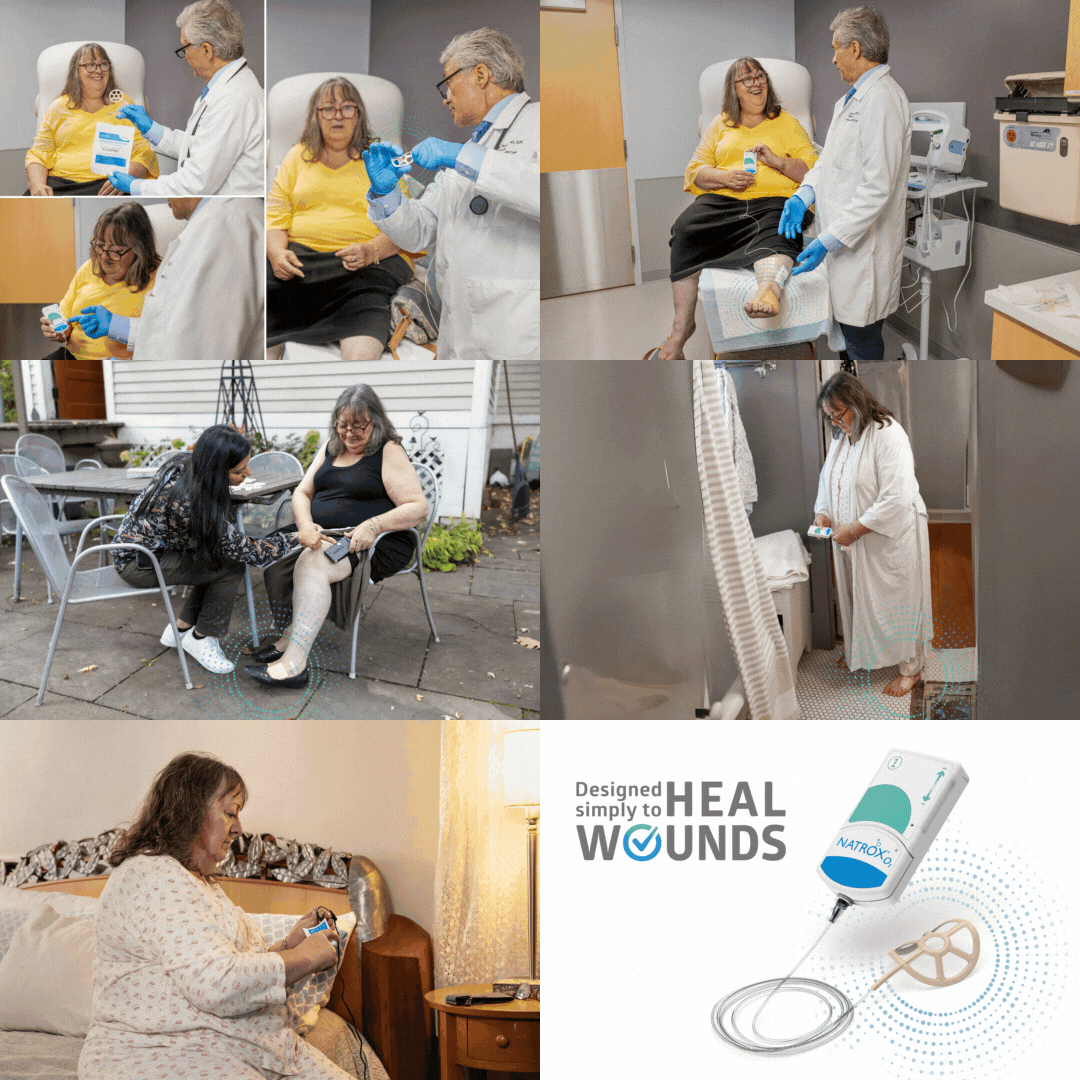
NATROX® O₂ is a wearable, battery-powered device designed to continuously deliver topical oxygen directly to a wound 24/7 to promote and enhance healing. Wound types that could benefit from supplementary oxygen include diabetic foot ulcers, leg ulcers, pressure injuries and non-healing surgical wounds.
Designed for patients who need advanced wound healing


Select an icon
Find out more about the benefits of NATROX® O2
In a clinical study, 90% of patients reported satisfaction with NATROX® O₂ Continuous Topical Oxygen Therapy (Jones et al., 2017)1

How can NATROX® O₂ help my wounds heal?

Why oxygen is essential for wound healing
Oxygen is critical to healing. When a wound has low levels of oxygen, the healing process can stop. Evidence shows adding topical oxygen to a wound can help kickstart and improve healing.
NATROX® O₂ delivers oxygen directly to your wound
NATROX® O₂ sends oxygen directly to the wound bed. Patients wear it 24/7 non-stop so the wound can get the oxygen it needs to support healing. NATROX® O₂ is intended for use on complex, slow healing, or non-healing wounds.
Clinical evidence: 71% greater chance of healing vs. standard care
Many studies show greater healing using NATROX® O₂. In fact, recent studies show a 71% greater chance of healing using NATROX® O₂ topical oxygen therapy5. Treatment time varies by patient.
Designed to empower patients to
live their normal lives while treating challenging wounds.
Life keeps moving, and so should you.
Types of wounds that benefit most from NATROX® O₂ wound care therapy include:
Diabetic
foot ulcers
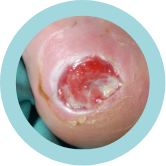
| A Diabetic Foot Ulcer (DFU) is a break in the skin of the foot associated with neuropathy and/or peripheral artery disease (PAD) in people with diabetes mellitus. Local oxygen deficiency increases the risk of non-healing ulcers, infection, and major limb amputation. NATROX® O₂ helps restore the oxygen needed to support wound repair. |

Venous
leg ulcers
Venous leg ulcers are hard to heal wounds that result from prolonged chronic venous insufficiency (CVI). NATROX® O₂ acts as a powerful adjunct to gold-standard compression, restoring optimal oxygen tension to stalled wounds.
Pressure
injuries
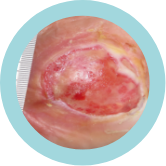
Pressure injuries are caused by sustained pressure on an area of the body. This pressure can severely restrict blood supply to tissue, leading to a lack of oxygen and an injury/wound. When NATROX® O₂ is used as part of a pressure injury management strategy, oxygen is delivered directly to the wound, supporting the healing process.

Non-healing
surgical wounds
Surgical wound dehiscence occurs when a surgical incision fails to heal properly and reopens, typically due to an infection. NATROX® O₂ delivers topical oxygen directly to the wound, which can help tissue repair and help the body fight infection in the wound.
…or wounds that fail to respond to standard of care
Easy to use for advanced wound care results
Patients can even apply it from home.

Is NATROX® O₂ right for you?
NATROX® O₂ may be suitable if you have a chronic wound such as a diabetic foot ulcer, venous leg ulcer, pressure injury, or non-healing surgical wound that hasn’t responded to standard treatment. It is prescribed by your clinical team and designed to be worn at home without disrupting daily life. Consult with your clinical team to ask if NATROX® O₂ could help heal your wound.





Reference List
References
[1] Jones, N.C., G; Ivins, N.M.; Harding, K.G et al. (2017) The role of topical oxygen therapy in the treatment of diabetic foot ulceration. Poster in Wounds UK Harrogate, UK.
[2] Kauffman, H., et al, 2021. Topical oxygen therapy used to improve wound healing in a large retrospective study of wounds of mixed aetiology. Wounds International 2021, 12(2):62-68.
[3] Serena, T., 2020. Topical oxygen therapy has a role in wound care specialists’ armamentarium. iWoundsnews [online] 14 Dec 2020. Available at: https://vascularnews.com/topical-oxygen-therapy-important/ [Accesses 20 July 2026].
[4] Kaufman, H., et al (2018) Topical oxygen therapy stimulated healing in difficult, chronic wounds: a tertiary experience. J Wound Care 27(7), 426-433.
[5] Serena TE, Bullock NM, Cole W et al. Topical oxygen therapy in the treatment of diabetic foot ulcers: a multicentre, open, randomised controlled trial. J Wound Care 2021; 30: Suppl.5 S7-14.
Information Updated 7/20/2026
Last updated: