The Wound Has a Name
Last updated:
What Patients Taught Us About Coping With Chronic Wounds
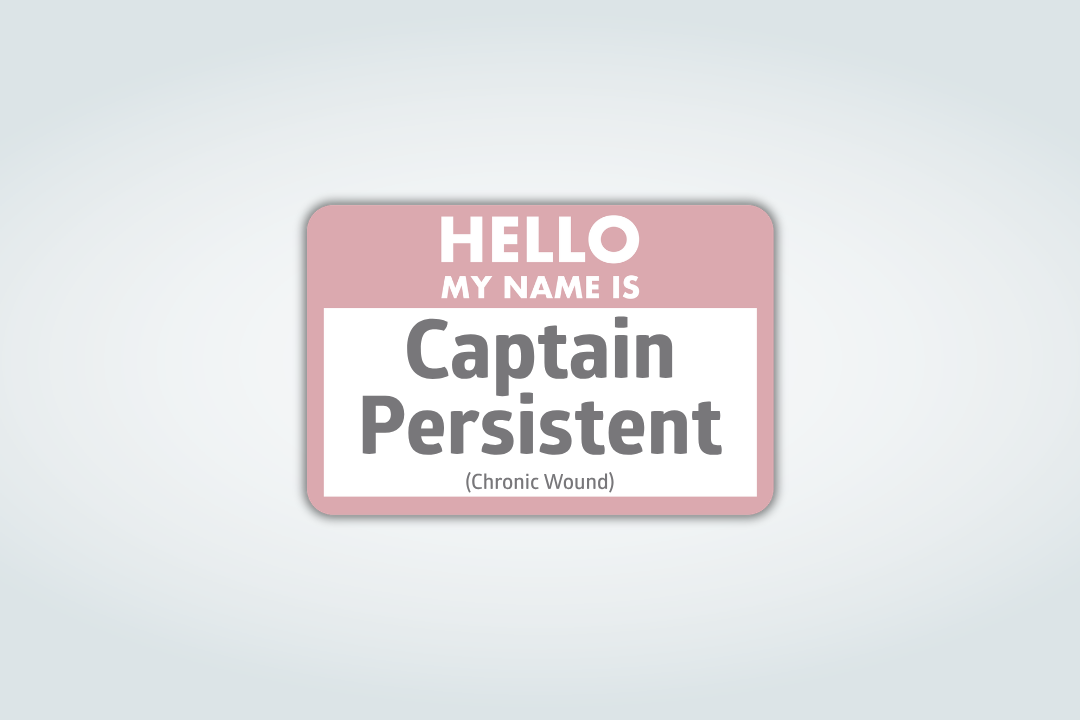
Some patients living with non-healing chronic wounds — including diabetic foot ulcers (DFUs) and venous leg ulcers (VLUs) — cope by giving their wound a name. It sounds unusual, but it’s a recognized way people process a condition that becomes a constant, unwanted presence in their daily life. Understanding this coping mechanism helps caregivers, providers, and support networks meet patients where they actually are, emotionally as well as physically.
This detail came up during the FDA’s Patient-Focused Drug Development meeting on chronic wounds, where patients described what it’s really like to live with a wound that won’t heal.
Why patients name their wounds
A non-healing wound isn’t a short-term inconvenience. For many patients, it’s a daily presence that shapes their schedule, their sleep, their relationships, and their sense of self — sometimes for years. Naming the wound is one way patients make sense of something that has become, in effect, a character in their life story.
It’s not a joke or a quirk. It’s a coping strategy — a way to create some emotional distance from a condition that otherwise feels inseparable from the person living with it. As one patient put it directly: the wound is part of a patient’s body, not separate from it. Naming it can be a way of holding both truths at once — this is happening to me, and I am still more than this wound.
What this reveals about the emotional side of chronic wounds
Patients described experiences that go well beyond the physical:
Identity loss — losing the ability to do a defining hobby, wear the shoes they want, or maintain routines that made them feel like themselves
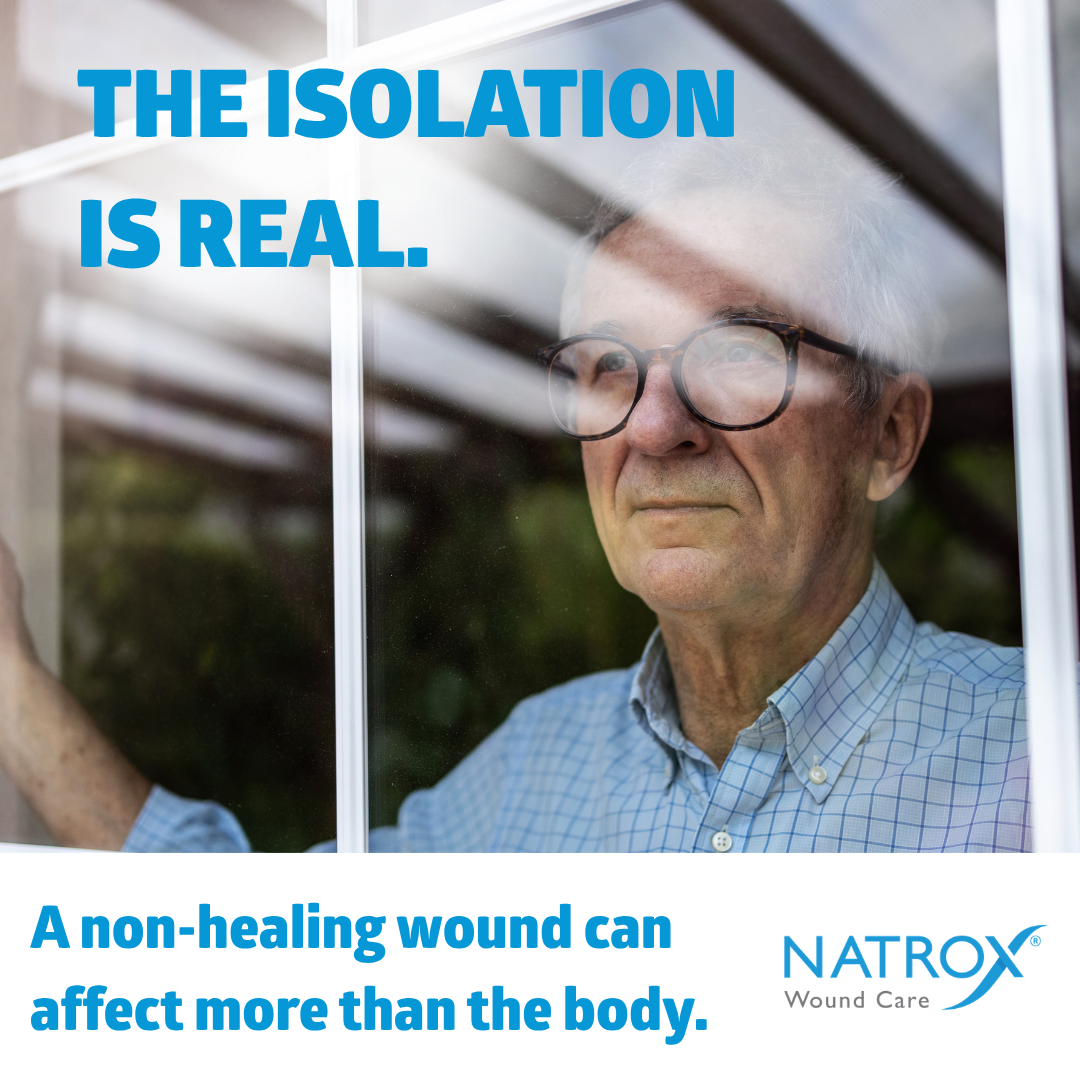
Isolation — one patient said living with a chronic wound felt more isolating than a serious illness, because that illness connected them to a community of support, while the wound cut them off
Constant fear — worry about infection, the wound worsening, or amputation that doesn’t fully go away, even during “good” weeks
Feeling blamed — patients described feeling like they were disappointing their care team when a wound didn’t heal on the expected timeline, even when they were doing everything asked of them
Naming the wound sits alongside all of this — a small, human way of maintaining a sense of control over something that otherwise feels uncontrollable.
How caregivers and providers can respond
You don’t need to name the wound yourself, but you can:
- Ask, don’t assume. If a patient refers to their wound in a personal or unusual way, that’s an opening to understand how they’re coping.
- Acknowledge the emotional weight, not just the physical wound. A dressing change addresses the tissue. It doesn’t address the isolation, fear, or identity loss that often comes with it.
- Celebrate non-clinical progress. Better sleep, less pain, a short outing, a hobby resumed — these matter to the patient’s experience even on weeks when the wound itself isn’t visibly smaller.
Living with a non-healing wound is as much an emotional experience as a physical one. When patients find their own ways of coping — even something as small as giving the wound a name — it’s worth paying attention. We believe supporting the whole patient, not just the wound, is part of what quality care looks like.
 Frequently Asked Questions
 Frequently Asked Questions
Is it normal for patients to name their wounds?
It’s a documented coping mechanism among some patients with long-term chronic wounds. It reflects how present and personal the condition becomes in daily life, not something unusual or concerning on its own.
Why do chronic wounds affect mental health so significantly?
Patients describe a combination of chronic pain, disrupted sleep, loss of independence, and social isolation — sometimes comparing the emotional toll to serious illnesses that are more widely understood and supported.
How can I support someone coping with a nonhealing wound?
Focus on the whole person, not just the wound. Ask how they’re managing emotionally, notice and acknowledge small quality-of-life wins, and avoid framing slow healing as something the patient is doing wrong.